See More Detail and Offer , Discount


Friday, February 17, 2012

Don't Confuse Your Baby's Yeast Infections With Diaper Rash

Don't Confuse Your Baby's Yeast Infections With Diaper Rash


Yeast infections that sway a baby's diaper area not the same thing as diaper rash. Unfortunately, many well meaning parents use regular diaper cream and baby powder on the yeast infection and this will do nothing to cure it.

Don't Confuse Your Baby's Yeast Infections With Diaper Rash
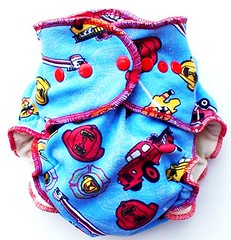
Don't Confuse Your Baby's Yeast Infections With Diaper Rash

Don't Confuse Your Baby's Yeast Infections With Diaper Rash


Don't Confuse Your Baby's Yeast Infections With Diaper Rash


Don't Confuse Your Baby's Yeast Infections With Diaper Rash

A yeast infection is dissimilar from a diaper rash in that it appears as a flat, red rash with scalloped edges that have several tiny rashes around it. A yeast infection rash may extend along the pubic area and onto the lower part of the baby's abdomen.

The yeast infections that sway babies are called Candidas albicans, which is the most base cause of all types of yeast infections. A pediatrician can decree whether a rash on the groin or a thrush in the mouth of babies is a yeast infection. To get a definite prognosis the physician may gawk the scrapings of a yeast infection under a microscope.

Babies who are on antibiotics or who are being breastfed by mothers who are taking antibiotics are at higher risk for yeast infections. That's because antibiotics kill the good bacteria in the body that keep yeast in check. Without these bacteria around, yeast and grow more abundantly.

While applying diaper cream may bring your baby temporary relief from the itching and soreness it will not heal the infection. Without proper treatment, a yeast infection in the baby's diaper area will get progressively worse.

Anti-fungal medications are the only types of treatment that can get rid of yeast infections. Some pediatricians might write a prescription for Nystatin while others may recommend and over the counter treatment like Lotrim Af to treat the diaper yeast infection.

Using antifungal cream, soaking the baby in warm water two times a day and frequent diaper changes will commonly clear up a yeast infection within a few days. While you are treating the yeast infection make sure that your baby's diapers are loose sufficient to let air in. When changing your child's diapers, make sure the skin on his buttocks and groin area is clean and dry.

Some holistic medical practitioners advocate the use of a diaper cream containing tea tree oil to help clear yeast infections in the diaper area. Others recommend using aloe or pressing damp chamomile teabags directly on the baby's rash. If the yeast persists for more than a week or if your baby has fever or chills you should consult with your pediatrician.

Yeast infections in baby's can occur despite our best efforts. However, frequent diaper changes can decrease the chances of an infection occurring. Children with yeast infections in the diaper area should not be excluded from daycare because these types of infections are not contagious.

If your baby recently had thrush (a yeast infection in the mouth), her or she may end up with a yeast infection in the diaper area, too. That's because yeast passes straight through your baby's digestive law when he eats and winds up in his stool, which eventually lands in his diaper right next to his warm, damp skin. Yeast thrives in warm, damp environments.

Don't Confuse Your Baby's Yeast Infections With Diaper Rash

Cut N Slice Flexible Cutting Boards Britax Frontier 85 Combination Booster Car Seat, Rushmore

Sunday, February 5, 2012

Don't Confuse Your Baby's Yeast Infections With Diaper Rash

Don't Confuse Your Baby's Yeast Infections With Diaper Rash


Yeast infections that influence a baby's diaper area not the same thing as diaper rash. Unfortunately, many well meaning parents use quarterly diaper cream and baby powder on the yeast infection and this will do nothing to cure it.

Don't Confuse Your Baby's Yeast Infections With Diaper Rash

Don't Confuse Your Baby's Yeast Infections With Diaper Rash

Don't Confuse Your Baby's Yeast Infections With Diaper Rash


Don't Confuse Your Baby's Yeast Infections With Diaper Rash


Don't Confuse Your Baby's Yeast Infections With Diaper Rash

A yeast infection is different from a diaper rash in that it appears as a flat, red rash with scalloped edges that have some tiny rashes nearby it. A yeast infection rash may enlarge along the pubic area and onto the lower part of the baby's abdomen.

The yeast infections that influence babies are called Candidas albicans, which is the most common cause of all types of yeast infections. A pediatrician can resolve either a rash on the groin or a thrush in the mouth of babies is a yeast infection. To get a definite diagnosis the doctor may scrutinize the scrapings of a yeast infection under a microscope.

Babies who are on antibiotics or who are being breastfed by mothers who are taking antibiotics are at higher risk for yeast infections. That's because antibiotics kill the good bacteria in the body that keep yeast in check. Without these bacteria around, yeast and grow more abundantly.

While applying diaper cream may bring your baby temporary relief from the itching and soreness it will not heal the infection. Without allowable treatment, a yeast infection in the baby's diaper area will get progressively worse.

Anti-fungal medications are the only types of medicine that can get rid of yeast infections. Some pediatricians might write a prescribe for Nystatin while others may propose and over the counter medicine like Lotrim Af to treat the diaper yeast infection.

Using antifungal cream, soaking the baby in warm water two times a day and frequent diaper changes will commonly clear up a yeast infection within a few days. While you are treating the yeast infection make sure that your baby's diapers are loose sufficient to let air in. When changing your child's diapers, make sure the skin on his buttocks and groin area is clean and dry.

Some holistic healing practitioners advocate the use of a diaper cream containing tea tree oil to help clear yeast infections in the diaper area. Others propose using aloe or pressing damp chamomile teabags directly on the baby's rash. If the yeast persists for more than a week or if your baby has fever or chills you should consult with your pediatrician.

Yeast infections in baby's can occur despite our best efforts. However, frequent diaper changes can decrease the chances of an infection occurring. Children with yeast infections in the diaper area should not be excluded from daycare because these types of infections are not contagious.

If your baby recently had thrush (a yeast infection in the mouth), her or she may end up with a yeast infection in the diaper area, too. That's because yeast passes straight through your baby's digestive principles when he eats and winds up in his stool, which finally lands in his diaper right next to his warm, damp skin. Yeast thrives in warm, damp environments.

Don't Confuse Your Baby's Yeast Infections With Diaper Rash

Yamaha Home Generators Bunn bt10 b Girl's Sparkle Witch Halloween Costume

Monday, January 23, 2012

manufacture a Diaper Stacker for Your Child

manufacture a Diaper Stacker for Your Child


Very beneficial as well as attractive nursery item that makes great component for baby gift set, diaper stackers are very beneficial item for parents. Practically any color scheme can be introduced and the fabric can be decorated with appliques, ribbons, trim or any such extra items to the liking of the people who are using it.

manufacture a Diaper Stacker for Your Child

manufacture a Diaper Stacker for Your Child

manufacture a Diaper Stacker for Your Child


manufacture a Diaper Stacker for Your Child


manufacture a Diaper Stacker for Your Child

Standard Stacker

Standard diaper stacker uses 12 inch size hanger at the top. Any way it required the same can be adjusted to some other size as well. Manufacture sure to wash, dry and ironing the fabric before starting the cutting and sewing of the same could be good step for manufacturing the stacker.

Required Accessories

Some of the accessories that are required for Manufacture stacker are -

•Small size cloth hangers to be used by the child.

•Cotton fabric; ordinarily 1-2 yards in length for Manufacture the stacker;

•Either colored cotton fabric or color drenching could be used to make the diaper stacker colorful.

•Matching colored threads.

•Fusible interfacing at least half a yard in length.

•Paper, pencil, measuring tape, scissors, iron, right pin, ironing board, and sewing machine.

Cutting the Fabric

For cutting the fabric a half circle that is nearby 9 x 13 inches in size should be drawn on paper. It would serve as the basic pattern for the top of the stacker. Pinning the half circle pattern to the fabric and cutting nearby it one should go for a second half circle the same way. The same half circle pattern should be used to cut and make a consolidate of pieces of the fusible interfacing. Placing the bumpy side of the interfacing against the wrong side of the half circle of the fabric the fusible interface should be ironed to the fabric. Cutting the rectangle fabric into 23 x 22 for the front as well as the back of the bag and 13 x9 for the lowest of the bag they should be made ready for sewing.

Sewing Stacker

Folding one long edge of each of the front rectangles over 1-2 inches towards the wrong side of the fabric and folding it over someone else half inch fabric, the fabrics should be stitched in place using matching threads. Putting the fabrics together the retention the half circles right down on top of the bag fronts, they should be stitched together. Pressing the seam flat the stacker can be manufactured.

manufacture a Diaper Stacker for Your Child

george foreman grill manual